SOLD!

JUST SOLD! @thelashleygroup helped our buyers find and guide them through the escrow process. Now they are proud owners of this beautiful home in Buena Park! Do you know anyone looking to buy or sell? The Lashley Group can help!

JUST SOLD! @thelashleygroup helped our buyers find and guide them through the escrow process. Now they are proud owners of this beautiful home in Buena Park! Do you know anyone looking to buy or sell? The Lashley Group can help!

JUST SOLD! @thelashleygroup helped our buyers find and guide them through the escrow process. Now they are proud owners of this beautiful home in Buena Park! Do you know anyone looking to buy or sell? The Lashley Group can help!

Posted on July 1, 2018 .

Should you get a second mortgage?

Capture.PNG

After much consideration, you settled on a mortgage to help buy your home. Now that you're a proud homeowner, you may eventually find yourself in the position to need or want a second mortgage. Here's what you need to know:

Reasons to Get a Second Mortgage

Although this is not a complete list of reasons to take out a second mortgage, here are some of the more common scenarios:

  • Eliminating PMI -- You're often charged private mortgage insurance (PMI) when you don't have a 20 percent down payment. A second mortgage can eliminate PMI by covering the rest of the 20 percent.
  • Covering big expenses -- A second mortgage is a common method for funding home renovations, college tuition and other large expenditures.
  • Paying down debts -- A second mortgage can also help pay down student loans or credit card debt (as long as the interest rate is lower than what you're currently paying).

Types of Loans

Once you start looking into second mortgages, you'll find that they all generally fall into one of two types:

  • Home equity loans -- You borrow a lump sum and pay it off monthly over a set period of time. The interest rate on home equity loans is typically fixed.
  • Home equity lines of credit --You have access to a set amount of money over a set period, tap into it as needed and only pay back what you borrow. Interest rates are typically adjustable.

Of course, there are pros and cons to each type. So it's a good idea to talk things over with a trusted adviser to make sure your second mortgage makes sense financially.

Posted on May 8, 2018 .

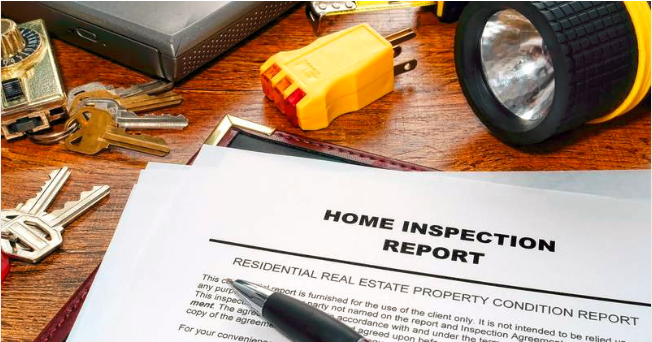
What Happens During a Home Inspection?

Capture.PNG

The homebuying process looks something like this: Get preapproved for a mortgage, find your dream home and win the bidding war. But before you can move those boxes in and start enjoying your new property, you have one more major step to take: the home inspection.


A home inspection isn't an appraisal. In fact, an inspection has nothing to do with your home's value -- or how much your lender is willing to finance. It's simply a way to assess a property's safety and long-term viability.


Here's what you should know about home inspections: 
 

  • What it is: A home inspection is an independent, third-party evaluation of a home's structure, systems and features. The inspector will look for potential problems or deficiencies on the property. 
  • Why you need it: A proper inspection ensures the home is safe to live in and a good long-term investment for your household.
  • When it happens: Home inspections generally occur after the seller has accepted your bid but before closing day. This gives you the opportunity to withdraw your offer, should there be any major issues with the property.
  • What's covered: A home inspection includes the roof, foundation, insulation, appliances, HVAC systems, plumbing, electrical systems and more.
  • How you're involved: You are not required to be on-site, but it's in your best interest to be there. The inspector can walk you through any defects he or she finds. 

The home inspection is designed to protect you, your family and your investment, so choose your inspector carefully. Make sure the home inspector is experienced and licensed and insured where required. And don't forgo an inspection just to save a little cash. If anything, a home inspection report can give you extra leverage in negotiations.

Posted on April 19, 2018 .

How to Successfully Downsize Your Home

Capture.PNG

Whether you're motivated by financial benefits or lifestyle perks, moving to a smaller space can be a smart idea with lasting benefits. Ready to start this daunting but exciting task? Here are some tips to help you seamlessly and successfully downsize your home:

Start early. While it's not always possible, you'll fare better if you give yourself ample time to make the transition. Plan to allow at least three months to downsize; that's long enough to sort through your possessions and manage all the details of a move..

Take inventory. It's not easy, but giving all your belongings an honest assessment will ensure that you only keep items that really matter. Ask yourself: If your possessions were lost in a fire, what would you actually replace? Outlived items tend to get stored in the basement, attic or garage, so it's wise to start the decluttering process there.

Make a plan. As you sort, begin grouping items that don't make the cut: Will they go to family, friends or charities? Another option is to sell them online or at a consignment shop. Before you bring the "keepers" to your new space, make a simple floor plan with measurements and assign each item a spot to make sure everything fits.

Live creatively. You'll live large in your new small space if you follow some basic decorating and storage tips:

  • Hang mirrors.
  • Use double-duty furniture (like a storage ottoman or a bed frame with drawers).
  • Consider tall bookcases.
  • Utilize hooks and shelves to maximize your vertical spaces.

Downsizing is going to be a big change, but a good attitude and some careful planning can help make sure your new space is a good fit.

Posted on March 1, 2018 .

Skin-deep investments in a home’s exterior offer gratifying paybacks

Capture.PNG

Skin-deep investments in a home’s exterior offer gratifying paybacks

It’s not about the updated kitchen. Or the state-of-the-art walk-in shower. Not to say that updating the interior of a home isn’t important. It’s just that because we mostly live inside our homes, updating and beautifying the outside seems to be placed on the back burner.

There are usually two reasons homeowners think about improving the curb appeal of their home (1) pride of ownership —they just want it to look more attractive, or (2) they are selling and want to get the highest price possible. Either is an excellent reason to value and update your home’s facade.

Many homeowners don’t realize that spiffing up their home’s exterior offers some of the best return on investment of anything they can do to their dwellings. Whether it’s just for the heck of it or to attract a buyer, curb appeal is what “gets them at hello” when people drive by a property.

The National Association of REALTORS® Remodeling Impact Report: Outdoor Features has some fascinating data illustrating how curb appeal and landscaping affects the value of a home, beating out nearly every indoor project for payback. Included are yard overhauls, such as adding a winding flagstone walkway, planters, flowering shrubs, a good-sized tree and new mulch. According to the study, the median cost for doing all of the above is $4,750. Return value? $5,000. Sweet.

Add more “softscape” items like trees, shrubs, perennials, mow strips and boulder accents and your home’s curb appeal is transformed. Now figure in lower utility bills, since placing trees in the right locations can produce savings on heating and cooling costs, and there are bonuses up the yin-yang. A new patio or deck? Even better.

So next time you think about where you want your remodeling dollars to go, it might be prudent to step across the street and take a look at your home from a different perspective. Shutters need painting? Does your front door make a statement? Would your house look better with more color around it? A little bit of attention to what meets the eye can make a world of difference.

Posted on February 15, 2018 .